Voting for the 2026 CAF Awards closes on 20 November, ahead of the ceremony in Lagos on 2 December. CAF’s explanation published on 18 November describes a ranking process involving member associations and eligible clubs. Being nominated therefore remains a stage in the selection procedure, rather than confirmation that an individual or team has won.
What period is being assessed?
CAF manages the vote, with independent monitoring by PricewaterhouseCoopers to check that ballots are recorded and counted, according to the official explanation. The standard assessment period runs from 1 January to 15 September 2026. That boundary matters when discussing the shortlist: the award evaluates a defined period, rather than automatically including every match played before presentation night.
Why three women’s categories are different
The nomination announcement dated 17 November says the women’s interclub player, coach and club categories were delayed so that the Women’s Champions League in Egypt could be considered. That competition concluded on 15 November. Extending the review for these categories connects the awards to a continental tournament that otherwise would have fallen outside the main window.
The same announcement names AS FAR’s Ghizlane Chebbak and Imane Touriss among the nominees: Chebbak received the tournament’s best-player award, while Touriss scored twice in the final. Those details explain the sporting relevance of the extension. They also provide a useful distinction for readers following the process: tournament recognition can inform an awards discussion, while the final CAF Awards winners still depend on the announced vote and subsequent official results.
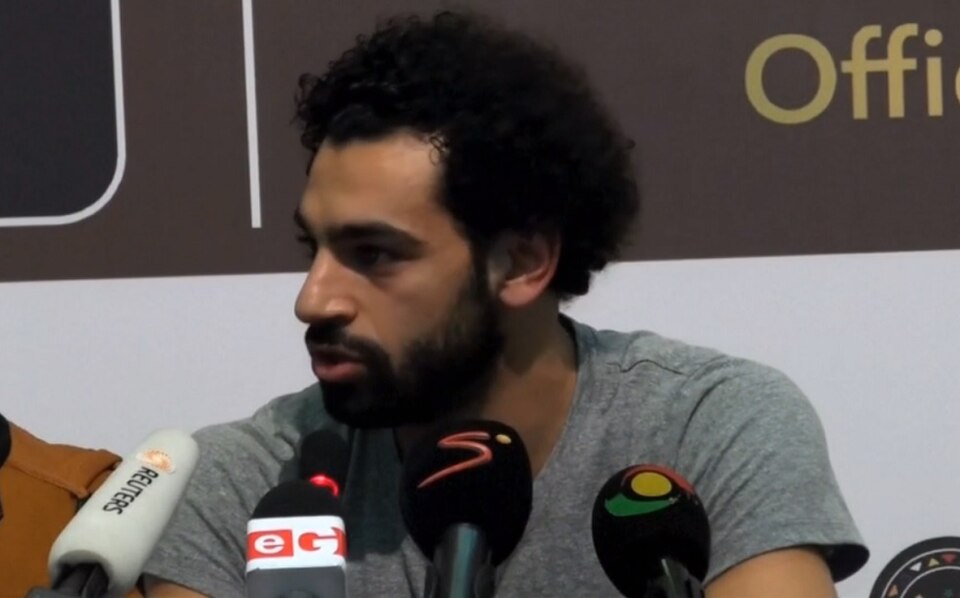
Mohamed Salah at a CAF Awards press conference, dated 5 January 2018; archival illustration, not the 2026 ceremony. Image credit: FootballCoin — Wikimedia Commons — CC BY-SA 3.0.
